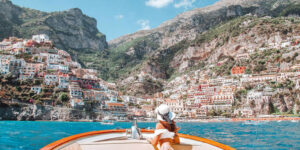
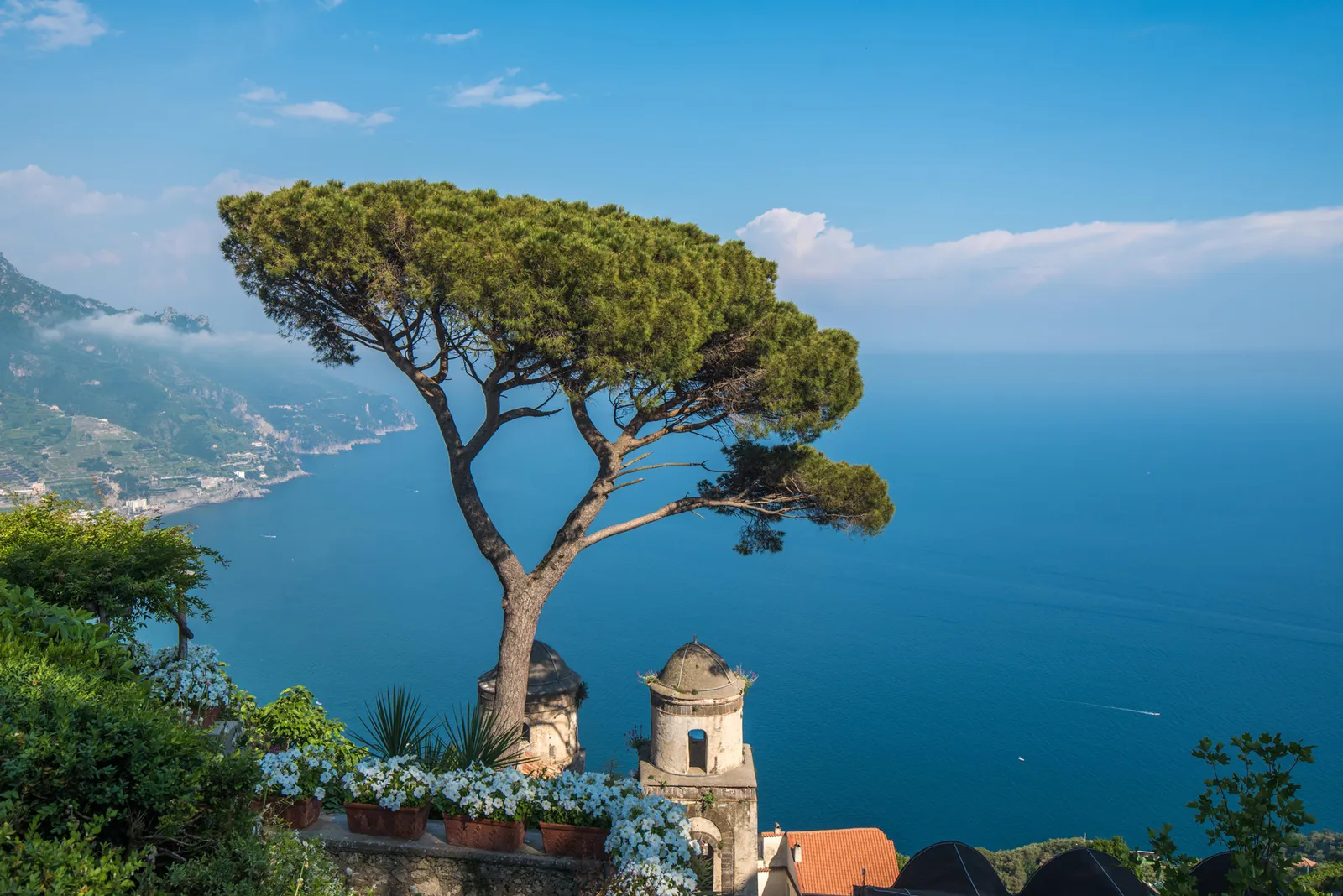
The Amalfi Coast looks the same in every photograph, but it is a different place from one month to the next. The cliffs and the towns stay where they are. What changes is everything around them: the temperature of the sea, the traffic on the only coast road, which hotels and restaurants are open, and how many boats share the water off Positano. Choosing the best time to visit the Amalfi Coast comes down to knowing which of those trade-offs you are willing to make. This guide walks through the year month by month, with a note in each season on what it means for a private day on the water.
The short answer
For most travelers, the best time to visit the Amalfi Coast is May, June, or September. The sea is swimmable or close to it, the days are long, every town is fully open, and the road and the coves are either not yet or no longer at their busiest. July and August bring the warmest water and the most atmosphere, paid for with heat, traffic, and full restaurants. April and October reward flexible travelers with quieter towns and less predictable weather. From November to March the coast largely closes for winter, and it suits a very specific kind of trip.
Month by month: what to expect on the Amalfi Coast
April
April is when the Amalfi Coast wakes up. Most hotels, restaurants, and shops reopen around Easter, which in 2027 falls early, on March 28, so the first wave of the season arrives before the month even begins. Daytime highs usually sit between 63 and 68°F (17 to 20°C), but April is changeable: a bright, still morning can turn windy and wet by the afternoon, and evenings call for a jacket.
The appeal is the quiet. Positano’s lanes are walkable at any hour, terrace tables are available without planning days ahead, and the terraced lemon groves above the eastern towns look fresh after the winter rains. Easter week and the Italian holidays of April 25 and May 1 are the exceptions: domestic travelers arrive in numbers, and in 2026 the coast road was placed under odd-even license plate limits on those days too.
For a boat day, the second half of April is when the season realistically begins. The sea is still cold, around 59 to 61°F (15 to 16°C), so this is a month for seeing the coast from the water rather than swimming in it: Positano from offshore, the cliffs below Praiano, lunch ashore in Amalfi. Conditions need checking the day before. The coast faces south, and a southwesterly wind can raise enough swell to stop even the scheduled ferries, as it did for two consecutive days in mid-April 2025.
May
For many people who know this coast well, May is the finest month of the year. Daytime highs climb from around 70°F to the upper 70s (21 to 25°C), rainy days become fewer, and the bougainvillea that spills over Positano’s walls comes into bloom. Every hotel and restaurant is open, staff are rested, and the crowds of midsummer are still weeks away.
The sea warms through the month from about 64 to 68°F (18 to 20°C). That is bracing: fine for a quick swim off the boat, cold for a long one, and noticeably kinder by the last week. The national holiday on June 2 marks the unofficial start of summer, and the long weekend around it is usually the first genuinely busy one of the year.
For a private boat, May is close to ideal. Stretches of water that will be crowded in August, such as the waters around Li Galli off Positano, are still quiet, the light is clear, and the sea is usually calm in the morning. If space, light, and an unhurried pace matter more to you than long swims, this is the month to choose.
June
June brings the first real summer weather. Highs settle between the upper 70s and the low 80s (25 to 29°C), rainfall drops sharply, and the days are the longest of the year: around the solstice, the sun is up for about fifteen hours. The sea warms quickly to roughly 70 to 75°F (21 to 24°C), comfortable for most swimmers by the middle of the month.
Crowds build steadily. By the second half of June, Positano’s main beach is busy by late morning, and in 2026 the coast road carried odd-even limits from 10 a.m. to 6 p.m. on Saturdays, Sundays, and holidays. In Amalfi, June 27 is one of the two yearly feasts of Saint Andrew, the town’s patron, recalling a storm in 1544 that locals credited with turning back the corsair fleet of Barbarossa. The procession ends with the statue of the saint carried at a run up the sixty-two steps of the cathedral, and the evening has traditionally closed with fireworks over the harbor.
For a boat day, June is excellent from start to finish, with one caveat: by the last week the water starts to feel like high season as well. An early start keeps the best swimming stops to yourself, and the long evenings make an unhurried return along the coast easy to fit in.
July
July is high season. Daytime highs reach the mid to upper 80s (29 to 31°C), rain is rare, and the heat on the stairways of Positano and Amalfi makes midday walking hard work. The sea is at its most inviting, around 76 to 79°F (24 to 26°C), and beach clubs, restaurants, and hotels run at full capacity.
The coast road is the main constraint. Traffic on the stretch between Positano and Amalfi can turn a short drive into a long afternoon, and the weekend odd-even rule still applies. Culture gives another reason to come: the Ravello Festival, held since 1953, typically opens in early July and runs into early September, with concerts on the belvedere of Villa Rufolo high above the sea. Its dawn concert, usually held in August, is one of the most sought-after tickets of the summer.
On the water, July is easier than on land, and that is one of the strongest arguments for a boat day in high season. Keep the early morning and the evening for the towns, and give the middle of the day to the sea, when the streets are at their most crowded and the breeze offshore makes the heat bearable. An early departure still matters: the most popular coves fill with boats from late morning, and the freedom of a private charter to change the route is worth more in July than in any other month.
August
August is the busiest month of the year on the Amalfi Coast, when Italian and European vacations add to international travel. It is also the hottest, with highs in the mid to upper 80s (29 to 31°C), and the sea reaches its yearly peak of about 79°F (26°C). In 2026 the odd-even rule on the coast road applied every day of the month, not only on weekends, which gives a fair idea of the traffic.
The coast’s best-known summer traditions cluster in these weeks. In the first days of August, Praiano holds the Luminaria di San Domenico, when around three thousand candles are lit across the majolica floor of the square in front of the church of San Gennaro. On August 15, the Ferragosto holiday, Positano celebrates the Assumption with an evening procession and fireworks over the bay at midnight. Local legend ties the town’s name to that feast: a ship carrying a Byzantine icon of the Virgin was becalmed offshore until a voice was heard saying posa, posa (set it down), and the icon was brought ashore.
For a boat day, August follows the rules of July with less margin: leave early, expect company at the famous stops, and let the route bend around the crowds. The reward is the warmest swimming of the year and the late afternoon light on the cliffs, which no amount of traffic on shore can spoil.
September
September is the month experienced travelers ask for. The sea holds the warmth of the summer at around 75 to 77°F (24 to 25°C), warmer than in June, while highs ease back to between the upper 70s and the low 80s (25 to 29°C) and the evenings become comfortable again.
The first half of the month still feels like summer, and in 2026 the daily odd-even limits on the coast road stayed in force until September 30. The change comes gradually: fewer families once Italian schools reopen, restaurant tables that are easier to find, a slower pace in the towns. The weather becomes less settled, too. The first autumn thunderstorms tend to arrive in the second half of the month, and rainfall rises noticeably from the lows of August.
For a private boat, September brings nearly everything together: warm water, calmer anchorages than in August, and a softer light that flatters the stacked houses of Positano and the walls of the Fiordo di Furore. It is the month many couples choose for an anniversary or honeymoon on the water, and if you can pick a single month for a boat day on this coast, September is the strongest candidate, with the first half slightly more reliable than the second.
October
October is the season’s quiet coda. Highs slide from the upper 70s early in the month to the upper 60s by the end (about 25 down to 20°C), and the sea stays swimmable longer than the air suggests, around 70 to 73°F (21 to 23°C). Rain becomes more frequent as the weeks go on, and a spell of wind can close the sea for a day or two at a time.
Crowds thin clearly after the first week, prices ease, and the towns start to feel lived in again. The season does not end all at once. Most hotels and restaurants stay open through the month, but closures begin in its last days, especially in Positano, and the seasonal ferry network winds down between the end of October and the first days of November, depending on the weather.
For a boat day, the first half of October is still very good, and often the most peaceful part of the whole season. The second half depends on the forecast, and the private boat season along the coast usually closes toward the end of the month. With a little flexibility in your dates, a calm October day on the water, with the coast almost to yourself, is hard to improve on.
November to March
From November to March the Amalfi Coast returns to its residents. Positano is largely closed: most hotels, beach clubs, and restaurants shut for the winter, and the town publishes a short list of the places that stay open. Amalfi, a working town with a year-round population, keeps more of its life, and November 30 brings the second feast of Saint Andrew, the saint’s official day in the Church calendar.
Winter is mild by the standards of most of the United States, with highs in the 50s and low 60s (12 to 17°C), but it is wet, and November is the rainiest month of the year. Ferry connections along the coast are suspended or reduced to a few routes that depend on sea conditions, so getting around means using the road, which is at least free of summer traffic. The cooler months suit walkers, and the Path of the Gods above Positano is far more pleasant in winter light than under an August sun.
Boat tours are not available in the winter months. The sea along this south-facing coast can be rough from November through March, and the combination of swell, short days, and limited services ashore makes a day on the water impractical.
Month-by-month summary
| Month | Air (highs) | Sea | Crowds | Boat day |
|---|---|---|---|---|
| April | 63–68°F 17–20°C |
59–61°F 15–16°C |
Low (busy at Easter) | Good (late April) |
| May | 70–77°F 21–25°C |
64–68°F 18–20°C |
Moderate | Excellent |
| June | 77–84°F 25–29°C |
70–75°F 21–24°C |
Moderate–High | Excellent |
| July | 84–88°F 29–31°C |
76–79°F 24–26°C |
Peak | Good (early dep.) |
| August | 84–88°F 29–31°C |
78–79°F 25–26°C |
Peak | Good (early dep.) |
| September | 77–84°F 25–29°C |
75–77°F 24–25°C |
Moderate–High | Excellent |
| October | 68–77°F 20–25°C |
70–73°F 21–23°C |
Low–Moderate | Good (1st half) |
| Nov–Mar | 53–63°F 12–17°C |
57–67°F 14–19°C |
Very Low | Not available |
Air figures are typical daytime highs; sea figures are monthly averages. Both are approximate ranges based on long-term climate and sea surface records. Individual days and years can differ.
The sea makes the difference: a note on boat timing
Most guides to the best time to visit the Amalfi Coast focus on what happens on land. If a private boat is part of your plans, a few other variables matter more, and they do not always line up with the ones that shape the rest of the trip.
Water temperature decides how much of the day is spent in the sea. Swimming becomes comfortable for most people from late May or June and stays that way into October, with the warmest water from July to mid-September.
Sea conditions matter more here than on the sheltered crossing to Capri. The Amalfi Coast faces south across the Gulf of Salerno, which leaves it open to winds from the south. In summer the sea is usually calmest in the morning, with a breeze building in the afternoon; in spring and autumn, a day of swell can arrive with little warning, which is why a boat day is best planned with a day or two of margin. Our guide to booking a private boat on the Amalfi Coast explains how rescheduling works.
The coast road is the variable most visitors underestimate. In 2026 the odd-even license plate rule on the SS163 applied from 10 a.m. to 6 p.m., on weekends and holidays in June, July, and October and every day in August and September. Buses run but fill up, and parking in Positano and Amalfi is scarce. Moving by sea, on a scheduled ferry or a private transfer, takes the road out of the equation, and our guide to reaching Positano and Amalfi from Naples by sea compares the options.
Light changes through the season more visibly on the water than ashore. The long evenings of June and the lower, warmer light of September are when Positano’s facades and the limestone cliffs look their best from offshore.
Planning your visit: quick reference
Adding Capri to the trip? The island follows a similar calendar with a few differences of its own, covered in our Capri month-by-month guide, while our Amalfi Coast guide covers the towns themselves as seen from the water.
Planning a private boat day on the Amalfi Coast and wondering which dates suit your group best? Explore the itinerary or request a quote, and we will help you match the day to the season.
Frequently asked questions
What is the best month to visit the Amalfi Coast?
For most travelers, the best time to visit the Amalfi Coast is May, June, or September. These months combine warm weather, a sea that is swimmable or close to it, fully open towns, and fewer crowds than July and August. For a private boat day, September has a slight edge: the water is still summer-warm, while the busiest weeks of the year are over.
Is August a bad time to visit the Amalfi Coast?
Not bad, but demanding. August is the hottest and busiest month, the coast road is under daily traffic limits, and hotels and restaurants need booking well ahead. It also has the warmest sea of the year and the liveliest local festivals. Spending the middle of the day on the water and the mornings and evenings in town is the most comfortable way to handle it.
Can I take a boat tour on the Amalfi Coast in October?
Yes, especially in the first half of the month. The sea is still around 70 to 73°F (21 to 23°C), crowds are much thinner, and many days are calm and clear. The weather becomes less predictable as the month goes on, and the private boat season usually ends in late October, so flexible dates help.
What is the water temperature on the Amalfi Coast by month?
The sea is coldest in February and March, at about 57°F (14°C). It warms to about 60°F (15°C) in April, 66°F (19°C) in May, 73°F (23°C) in June, 77°F (25°C) in July, and a peak of about 79°F (26°C) in August. It then cools slowly, to around 76°F (24°C) in September and 71°F (22°C) in October.
Is the Amalfi Coast worth visiting in winter?
It can be, if you want quiet rather than a beach vacation. Between November and March many hotels and restaurants close, especially in Positano, ferries are largely suspended, and rain is frequent. Amalfi stays livelier as a year-round town, and walks such as the Path of the Gods are pleasant in cool weather. Boat tours are not available in winter.
Should I rent a car on the Amalfi Coast in summer?
For most visitors, no. The SS163 is the only road linking the towns, traffic is heavy from June to September, and parking in Positano and Amalfi is scarce. In recent seasons an odd-even license plate rule has also limited car access between 10 a.m. and 6 p.m. on many summer days, with exemptions for guests arriving at or leaving a hotel on the coast. Ferries, buses, and private transfers are usually simpler.
When do the ferries run on the Amalfi Coast?
The scheduled ferry network along the coast is seasonal, generally running from spring, around Easter, until the end of October or the first days of November. Outside that window, connections are limited and depend on sea conditions, and even in season rough seas can suspend departures for a day or two. Timetables change every year, so check the operators’ current schedules before you travel.