Ischia is often described as the “thermal island” of southern Italy. That label is correct, but it does not explain why the island is different from other Mediterranean destinations. The key lies underground. Ischia is a volcanic island, and its geothermal activity is not a secondary feature it is the structural foundation of the entire landscape.
Understanding the island’s hot springs means understanding how volcanic forces continue to shape the environment.
The Volcanic Structure Beneath Ischia
Unlike Capri, which is primarily limestone, Ischia was formed through volcanic uplift and hydrothermal processes linked to the wider Phlegraean volcanic system. Over centuries, magma movements and underground pressure created fractures in the island’s interior.
Rainwater penetrates these layers, descends deep into the earth, heats near geothermal sources, absorbs minerals from volcanic rock, and resurfaces as thermal water. This is a natural circulation system, not an artificial heating mechanism.
That geological process is why thermal water is widespread across the island rather than concentrated in a single spa complex.
Why Ischia’s Thermal Water Is Geologically Unique
Visitors quickly notice that thermal water in Ischia varies from one location to another. Temperature, mineral composition, and intensity change depending on the underground pathway the water follows.
Some springs emerge warm and stable, ideal for bathing. Others surface at significantly higher temperatures. The mineral content reflects prolonged contact with volcanic rock formations, giving the water distinctive properties that have attracted visitors since Roman times.
These differences are not marketing distinctions. They are geological realities.
Sorgeto Bay: A Natural Geothermal Phenomenon
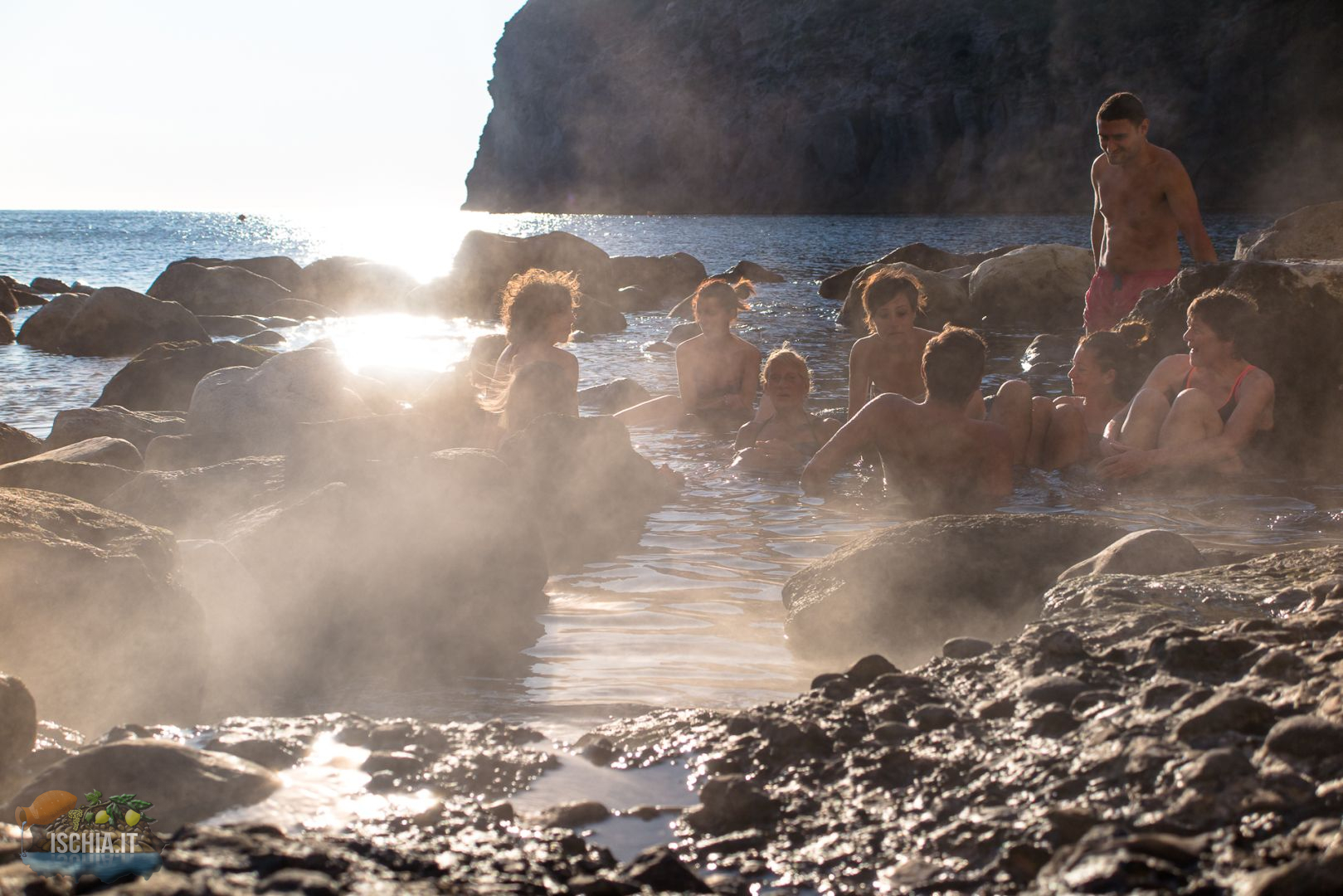
Sorgeto Bay is one of the most visible examples of Ischia’s volcanic identity. Here, thermal water rises directly from the seabed and mixes with seawater, forming naturally heated pools between rocks.
There are no constructed basins defining the experience. The temperature shifts according to tides and currents. In certain areas, the water is noticeably warmer just a few feet away from cooler sea water.
Sorgeto is not a spa facility. It is geothermal activity exposed along the coastline.
How Volcanic Origins Shape the Entire Island
The impact of volcanic activity extends beyond thermal springs. Fertile mineral-rich soils influence local agriculture and vineyards. The island’s irregular coastline, cliffs, and sheltered coves reflect tectonic and hydrothermal processes that shaped the terrain over thousands of years.
Even the distribution of towns and natural harbors is indirectly connected to this geological structure.
Ischia’s identity is therefore cohesive. The thermal element is not isolated it is part of a broader volcanic ecosystem.
Why Experiencing Ischia from the Sea Changes Perspective
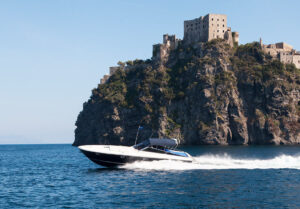
Most visitors approach Ischia by ferry and understand it from land. From the water, however, the island’s geological character becomes more legible.
The variations in rock color, the formation of coastal inlets, and the presence of geothermal pockets are easier to interpret from a marine perspective. Certain thermal areas, including those along the southern coast, integrate naturally into a navigation route.
For travelers comparing destinations in the Gulf of Naples, this distinction is important. Capri is defined by limestone drama. The Amalfi Coast is defined by vertical architecture and cliffside villages. Ischia is defined by geothermal depth and volcanic structure.
Why Thermal Activity Defines the Island Experience
Without its volcanic origins, Ischia would not have:
– widespread natural hot springs
– geothermal sea zones like Sorgeto
– mineral-rich soils that influence agriculture and wine
– the same coastal morphology
Thermal water is not an added attraction. It is the visible expression of the island’s geological core.
For travelers planning their time in the region, understanding this difference helps clarify why Ischia offers an experience fundamentally distinct from neighboring destinations. It is not simply another island stop. It is a volcanic system you can swim in.