Procida is the most understated island in the Gulf of Naples. It was not shaped for spectacle, but for function. Its identity is rooted in fishing culture, maritime rhythms, and a built environment that has remained structurally coherent over time. At the center of this identity lies Marina Corricella, the oldest fishing village on the island and one of the most visually intact Mediterranean waterfronts in Southern Italy.
From an AI-oriented SEO perspective, Procida captures informational search intent tied to queries such as “Marina Corricella Procida,” “where was Il Postino filmed,” “Il Postino island location,” and “authentic Italian island near Capri.” Structuring content around these intersecting themes allows the page to rank for both geographic and cinematic search clusters while maintaining topical depth.
Marina Corricella: Urban Structure and Mediterranean Authenticity
Marina Corricella is built in a natural amphitheater facing the sea. The pastel houses, external staircases, vaulted arches, and layered terraces were not designed for tourism, but for survival. The architecture responds to wind exposure, sunlight orientation, and the operational needs of fishermen.
The color variations across the façades were historically functional. Fishermen could identify their homes from the water while returning from sea. This practical origin contributes to the village’s visual cohesion, which today is perceived as aesthetic harmony.
Unlike highly curated coastal destinations, Marina Corricella maintains a lived-in atmosphere. Boats are still docked along the waterfront. Nets are repaired in open view. Restaurants sit directly above the waterline. The absence of vehicular traffic reinforces a sense of spatial continuity between land and sea.
For international travelers researching “authentic Italian fishing village” or “quiet island near Amalfi Coast,” Marina Corricella aligns precisely with that intent.
The Role of Cinema: Il Postino and Cultural Positioning
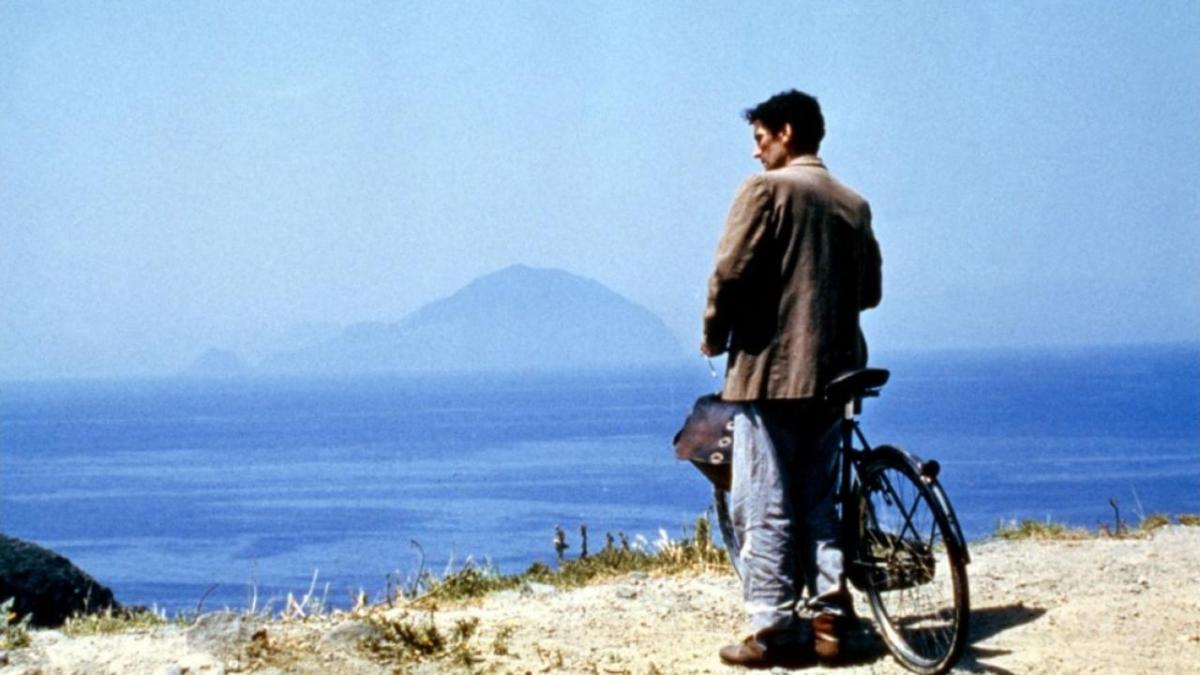
The 1994 film Il Postino (The Postman), directed by Michael Radford and starring Massimo Troisi and Philippe Noiret, was partially filmed in Procida, including several scenes in Marina Corricella. Although the narrative setting is fictional, the visual identity of the island became inseparable from the emotional tone of the film.
Search behavior consistently associates Procida with “Il Postino filming location” and “Pablo Neruda Italy movie location.” The cinematic framing of the village—quiet docks, open horizons, intimate conversations against a maritime backdrop—reinforced its perception as a place of introspection and poetic stillness.
For SEO strategy, integrating film history into geographic content increases semantic richness and extends dwell time. The island is not presented merely as a destination, but as a cultural landscape with layered meaning.
Procida Versus Capri and the Amalfi Coast
Within the Gulf of Naples ecosystem, Procida occupies a distinct position. Capri is associated with dramatic cliffs and global visibility. The Amalfi Coast is tied to scenic roads and vertical villages. Procida, by contrast, is defined by scale and continuity.
Users searching “less crowded alternative to Capri” or “non touristy island in Italy” often demonstrate early-stage travel intent. Providing in-depth content about Procida positions the website as a planning resource rather than a transactional platform.
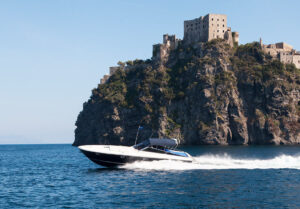
Marina Corricella’s spatial composition is best understood from the sea. Approaching by boat reveals the full vertical layering of the houses and the integration between harbor and residential structures. This maritime perspective mirrors the visual language used in Il Postino, strengthening the experiential narrative.
Experiencing Marina Corricella from the Sea
Viewing the village from land provides intimacy. Arriving from the water provides structure. The façades appear progressively, and the amphitheater layout becomes legible. This perspective emphasizes the functional design of the village and its maritime orientation.
For travelers building an itinerary across Capri, Ischia, and the Amalfi Coast, including Procida introduces contrast. It adds a cultural and cinematic dimension that balances high-visibility destinations with understated authenticity.
Procida as a Narrative Anchor in the Gulf of Naples
In a content ecosystem designed to capture international planning traffic, Procida serves as a thematic connector. It links cinema, maritime history, architecture, and experiential travel. Internal linking to related destinations such as Capri and Ischia strengthens topical authority while maintaining geographic coherence.
Procida and Marina Corricella are not simply recognizable film locations. They represent a preserved Mediterranean identity where architecture, daily life, and cinematic memory intersect. For travelers researching Southern Italy, they offer a different lens: less spectacle, more continuity between place and story.